 Wellness
Building an Anti-Inflammatory Plate Without the Hype
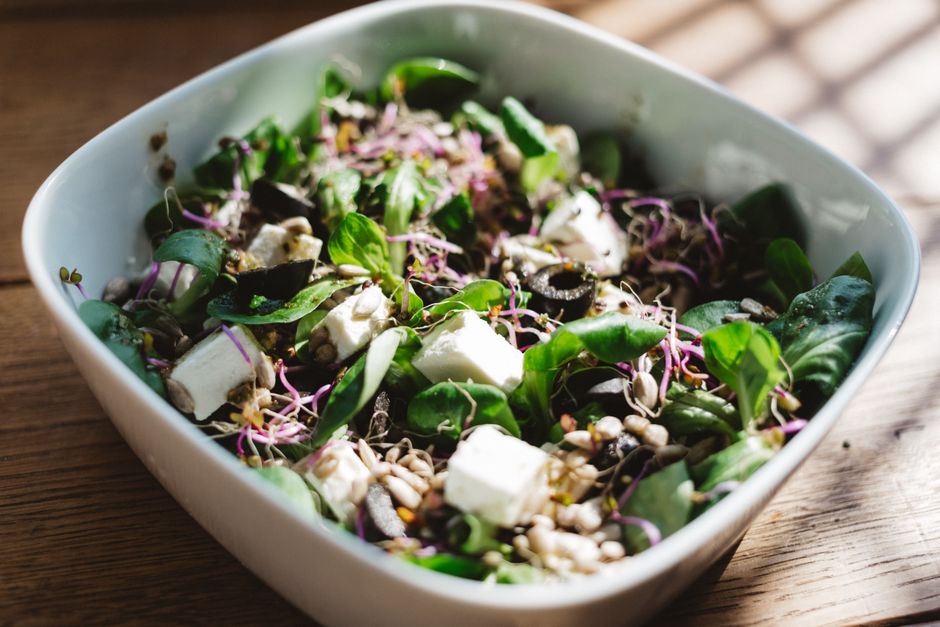
What Inflammation Is (and Why We Need It)
Open any wellness magazine or browse social media, and inflammation is usually cast as the ultimate villain. You are told to flush it out, beat it, or eradicate it completely. That framing misses a fundamental truth: without inflammation, you would not survive a paper cut or a common cold.
Acute inflammation is your immune system doing exactly what it was designed to do. When you stub your toe, scrape your knee, or catch a virus, your body sends white blood cells and fluid to the site. The warmth, swelling, and redness you see are signs of active repair. Once the threat clears, the response shuts down.
The issue researchers study today is very different. It is low-grade, systemic, and persistent. Rather than flaring up to heal a distinct wound, this quiet simmer stays switched on in the background. Over years, it is associated with a wide variety of cardiovascular, metabolic, and joint concerns. What you eat plays a role in nudging those background markers up or down, but it helps to understand that food is just one modest influence among many.
The Problem with 'Superfood' Promises
Whenever a health concept becomes popular, marketing quickly follows. Shelves are now packed with turmeric gummies, concentrated ginger shots, and powdered green blends promised to quench internal fires. It is an appealing idea: eat whatever is convenient, then neutralize it with a shot of concentrated roots.
Nutrition simply does not work that way. While ginger, turmeric, and green tea contain beneficial bioactive compounds, their actual impact in human trials is relatively modest. None of them possesses the biochemical leverage to rescue a routine short on fiber, physical activity, and rest.
Thinking in terms of individual magic foods creates an unhelpful distraction. It tempts people to spend thirty dollars on an exotic supplement while skipping the ordinary bag of frozen broccoli or dry lentils that would actually move the needle. The evidence consistently shows that the total pattern of what you eat across months and years matters far more than any single ingredient.
The Ordinary Pattern That Actually Works
If you strip away the branding, the dietary pattern repeatedly linked to lower inflammatory markers is completely familiar. It keeps reappearing in scientific literature under various names, most commonly resembling a traditional Mediterranean style of eating.
What the Pattern Prioritizes
- Abundant vegetables and whole fruit: Especially deep greens, brassicas, and deeply colored berries that provide dietary fiber and plant polyphenols.
- Legumes and pulses: Beans, chickpeas, and lentils are rich in fermentable fibers that nourish gut microbes, which produce short-chain fatty acids associated with immune regulation.
- Whole grains: Oats, brown rice, farro, and barley retain their germ and bran, offering steady energy and trace minerals.
- Healthy fats: Extra virgin olive oil serves as the primary fat, supplemented by avocados, walnuts, chia seeds, and pumpkin seeds.
- Oily fish: Salmon, sardines, mackerel, and trout deliver EPA and DHA, two long-chain omega-3 fatty acids heavily involved in resolving inflammatory pathways.
Notice what this list is not: it is not a restrictive cleanse or an elimination program. It is simply a way of eating that leans heavily toward intact, minimally processed ingredients while keeping refined sugars and ultra-processed convenience foods to an occasional role.
Subtractions That Matter Just as Much as Additions
When people decide to adopt anti-inflammatory eating, their first instinct is usually additive: what can I buy, brew, or sprinkle onto my meals? Yet the factors driving systemic inflammation are often things that need to be dialed back rather than purchased.
Consider what happens outside the kitchen. Chronic sleep deprivation elevates the very same biomarkers—such as C-reactive protein (CRP) and interleukin-6—that researchers measure in nutrition studies. Drinking alcohol heavily, smoking, and sitting at a desk for nine hours without a break produce measurable stress signals throughout the body.
Eating a handful of blueberries after sleeping four hours a night and spending the day completely sedentary is unlikely to be the decisive intervention. True wellness requires honesty about lifestyle foundations. If you want your nutrition to work effectively, give it a supportive environment by prioritizing a consistent bedtime, taking brief walking breaks during work, and keeping alcohol intake modest. MedlinePlus, from the U.S. National Institutes of Health provides reliable, up-to-date information on this topic.
Building a Realistic Day of Simple Meals
Translating these principles into regular dinners does not require special culinary skills or rare ingredients. You can assemble practical, anti-inflammatory meals using staple items from any ordinary supermarket.
Breakfast: Slow-Burning Foundations
Instead of reaching for pastries or sweetened breakfast cereals, start with a bowl of rolled oats cooked in water or milk. Stir in a tablespoon of ground flaxseed or chopped walnuts, and top with half a cup of thawed frozen blueberries. The combination delivers soluble fiber, healthy fats, and polyphenols that keep blood sugar balanced through the morning.
Lunch: The Assembled Bowl
Lunch does not need to be complicated. Combine canned black beans or chickpeas with pre-washed baby spinach, canned tuna or hard-boiled eggs, diced cucumbers, and a generous pour of extra virgin olive oil and lemon juice. It takes five minutes to make, packs easily, and avoids the heavy mid-afternoon energy drop.
Dinner: Sheet Pan Simplicity
Toss florets of broccoli and cubed sweet potatoes with olive oil, salt, and pepper, then spread them onto a baking tray alongside a piece of salmon or spiced tofu. Roast everything at 400°F until tender. You end up with a dinner rich in omega-3s, carotenoids, and fiber, with only one pan to wash.
Realistic Expectations: What You Will and Won't Feel
One reason people abandon dietary changes is misaligned expectations. Advertisements promise that changing your diet will provide an instant surge of boundless energy or immediately dissolve joint discomfort within a week. When that does not happen, frustration sets in.
The reality is quieter. Nobody wakes up on a Tuesday morning and consciously feels their CRP level drop by ten percent. Shifts in underlying systemic inflammation are slow, structural, and largely invisible in day-to-day life.
What you will actually notice is much more practical: your meals will feel more satiating, late-afternoon energy crashes become rarer, and your digestive habits become more predictable thanks to increased fiber. The biological benefits—support for cardiovascular function, metabolic stability, and cellular resilience—are investments that pay out over decades, not days.
Three Low-Friction Steps to Start This Week
A sudden pantry purge rarely lasts. Instead of overhauling your entire lifestyle by tomorrow morning, choose one or two modest habits that fit naturally into your existing schedule.
- Add an extra vegetable to what you already eat: You do not need to invent new recipes. Simply toss a handful of spinach into a pasta sauce, roast a tray of frozen green beans alongside dinner, or slice raw bell peppers with lunch.
- Swap your cooking fat: Make extra virgin olive oil your default choice for dressings, sauteing, and roasting vegetables, replacing refined seed oils or heavy spreads where practical.
- Stock smart pantry staples: Keep canned beans, canned sardines or salmon, rolled oats, and bags of frozen berries on hand. When time is tight, having these items ready prevents relying exclusively on ultra-processed takeout.
Health is built through the accumulation of small, sustainable choices. By treating anti-inflammatory eating as a calm, everyday rhythm rather than a temporary emergency diet, you set yourself up for lasting well-being.
Frequently asked questions
How long does it take to see benefits from anti-inflammatory eating?
Changes in blood markers can begin within several weeks to a few months, but the meaningful physical benefits are cumulative and unfold over years. Most people first notice improved digestion, more stable energy, and better satiety within two to three weeks.
Do I have to eliminate dairy and gluten to reduce inflammation?
Not unless you have an allergy, celiac disease, or a diagnosed intolerance. For the general population, unsweetened yogurt, kefir, and whole grains like farro, barley, and whole wheat are nutrient-dense foods that fit comfortably into an anti-inflammatory dietary pattern.
Are frozen vegetables and canned fish just as beneficial as fresh?
Yes. Frozen vegetables are typically flash-frozen at peak ripeness, preserving their vitamins and polyphenols. Canned sardines, salmon, and mackerel provide the same beneficial omega-3 fatty acids as fresh seafood at a fraction of the cost.
Can taking a daily turmeric or fish oil pill replace dietary changes?
No. While high-quality supplements may offer targeted support when recommended by a healthcare professional, they cannot replicate the complex matrix of fiber, micronutrients, and water found in whole foods. Supplements complement a solid diet; they do not replace one.
Is red meat completely forbidden on an anti-inflammatory diet?
It does not need to be strictly forbidden, but mainstream evidence suggests keeping it to occasional meals rather than a daily staple. Emphasizing beans, lentils, nuts, poultry, and fish in place of frequent processed or fatty red meats is generally linked to lower inflammatory markers.