 Wellness
 The Truth About Food, Movement And Sleep As One System, on a Normal Week
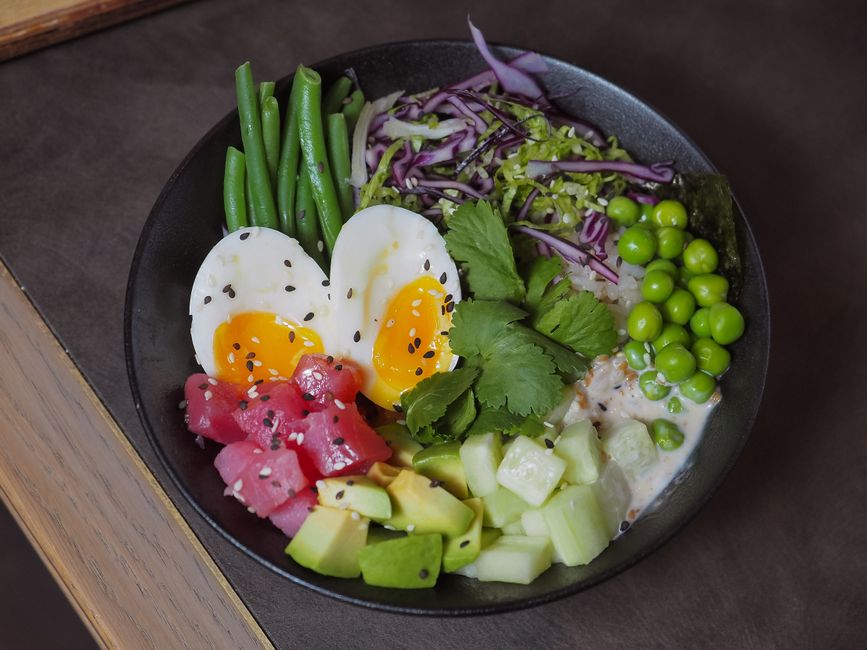
Here is a practical, no-nonsense way to think about food, movement and sleep as one system in everyday life. Think of it as gentle maintenance rather than a strict programme. Let's look at what actually matters with food, movement and sleep as one system, and what you can safely ignore.
The simple version
Physical activity, in turn, improves sleep quality and reduces the time taken to fall asleep, though not if performed intensely just before bed. It influences appetite in ways that vary by intensity and individual, and it improves the body's handling of glucose, which affects the energy stability of the following hours.
It helps to focus on what you can realistically do most days, rather than an ideal you can only manage occasionally.
Step by step
Food affects both. Large late meals disturb sleep. Insufficient protein impairs recovery from training. Chronic under-fuelling reduces training capacity and, over time, bone density and hormonal function. Excessive caffeine borrows alertness from a night that has not yet happened.
It helps to focus on what you can realistically do most days, rather than an ideal you can only manage occasionally.
What to do first
The practical consequence is that the highest-leverage intervention is often not in the domain where the problem appears. Someone struggling with food choices at nine in the evening may not have a nutrition problem; they may have a sleep problem, or a lunch problem, or an unmanaged stress problem that eating temporarily addresses. Someone whose training has stalled may not need a better programme.
The practical takeaway is to keep food, movement and sleep as one system simple enough that it survives a busy week, not just a good one.
What to keep doing
In practice, this is inconvenient for anyone selling a solution to one of the three, and it is why comprehensive but unimpressive advice tends to outperform sophisticated advice aimed at a single variable. The system does not have three separate control panels. It has one, and the dials are connected. MedlinePlus, from the U.S. National Institutes of Health provides reliable, up-to-date information on this topic.
None of this has to happen all at once; even one small adjustment in this area tends to pay off over time.
A quick self-check
On a day-to-day level, these three are typically discussed separately, which obscures how tightly they are coupled. Change one and the others move. It is worth checking buy gluco6 before deciding.
If you remember only one thing here, let it be that steady, repeatable habits beat short bursts of effort.
Putting the steps together
It helps to remember that insufficient sleep alters the hormones governing hunger and satiety, so that appetite increases and preference shifts toward energy-dense food. It also reduces spontaneous physical activity — the person who slept five hours moves less all day without deciding to. Exercise performance declines, and the sense of effort rises, so the same session feels harder.
The practical takeaway is to keep food, movement and sleep as one system simple enough that it survives a busy week, not just a good one.
Practical tips
Here are a few easy places to start:
- Keep the useful option easy to reach and the tempting one a little harder.
- Anchor a new habit to something you already do each day, like your morning coffee.
- Ask for a little support from someone around you when you can.
- Protect your sleep, since it quietly makes everything else easier.
The bottom line
Take it one small step at a time. Keep it simple, be patient with yourself, and let small changes add up. That is usually all it takes.
Frequently asked questions
What is the single most important thing to focus on?
Consistency. A modest routine you actually keep beats an ambitious plan you abandon after a week.
How long before I notice a difference?
It varies from person to person. Give any new habit a few weeks of consistency before deciding whether it is working for you.
Is this suitable for busy people?
Yes. Most of the ideas here fold into things you already do each day, so they take little extra time.
Is this relevant if I'm just starting out?
Yes. You can begin with one small change and build from there. With food, movement and sleep as one system, steady progress beats trying to do everything at once.