 Wellness
 Living Well With Why Consistency Beats Intensity in Mind, Minus the Overwhelm
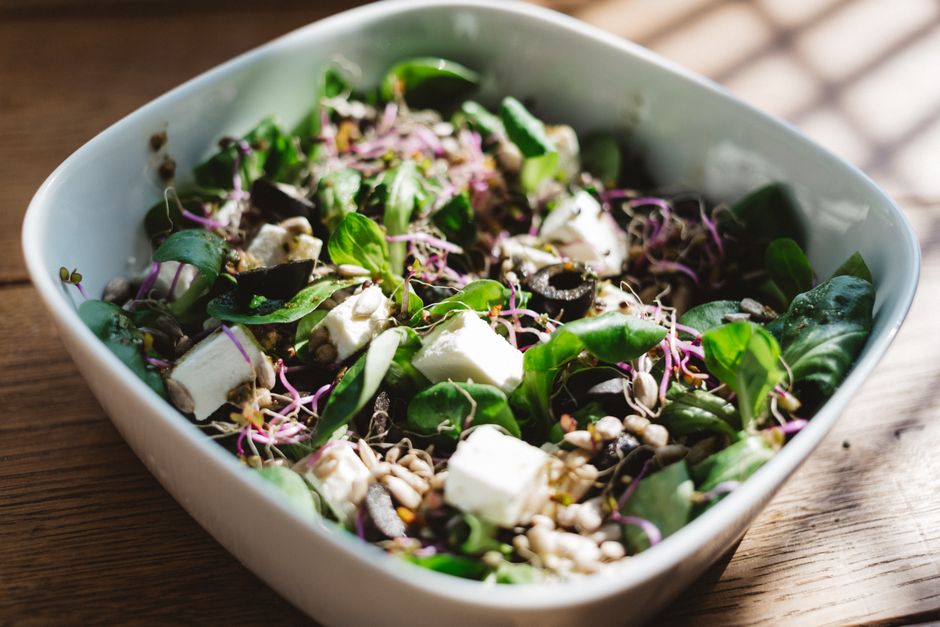
Starting out with why consistency beats intensity feels easier once you focus on one small step at a time. None of this is complicated, and none of it needs to be expensive. The rest of this article walks through why consistency beats intensity step by step, in plain language.
Start here
More often than not, none of this argues for permanent comfort. Adaptation requires something beyond the accustomed. But the useful pattern is a stable base with occasional challenge, not repeated cycles of extremity and abandonment.
What matters most is fitting this around your real routine, so it becomes something you barely have to think about.
The first easy step
On a day-to-day level, the difficulty is that consistency is unsatisfying to describe. Nobody wants to hear that the answer is to keep doing an unremarkable amount of an unremarkable thing for several years. It generates no story and no transformation photograph. It generates, instead, a fifty-year-old who climbs stairs without thinking about it, sleeps through the night, and has not had to restart anything for a very long time.
None of this has to happen all at once; even one small adjustment in this area tends to pay off over time.
Building a little at a time
Intensity is attractive because it is visible. A punishing week produces the feeling that something significant has occurred. Consistency produces almost no feeling at all, which is precisely why it works: it costs little enough that it survives contact with an ordinary life. Trusted resources such as MedlinePlus, from the U.S. National Institutes of Health cover this in more depth.
It helps to focus on what you can realistically do most days, rather than an ideal you can only manage occasionally.
What to expect early on
More often than not, the mathematics are not subtle. Thirty minutes of walking on five days a week is two and a half hours. An ambitious ninety-minute session performed twice before collapsing is three hours in total, ever. The same asymmetry appears in nutrition, where the gradual displacement of one habitual choice by a better one outperforms the restrictive month followed by rebound. It appears in sleep, where a stable schedule outperforms weekend recovery attempts. It appears in mental health, where brief regular contact with most of us outperforms occasional intense socialising separated by weeks of isolation.
Simple habits to try
The key point is that intensity also carries risk that consistency does not. Sudden increases in physical load produce injury. Severe restriction produces preoccupation with food. Aggressive schedules produce the resentment that eventually ends them. The body adapts to gradually increasing demands and rebels against sudden ones.
Give yourself room to be imperfect here; a missed day is an event, not a reason to give up.
Practical tips
Some practical points to keep in mind:
- Protect your sleep, since it quietly makes everything else easier.
- Notice what works for you personally, since everyone responds a little differently.
- Give any change a few weeks before judging whether it is helping.
- Start small and stay consistent rather than aiming for a dramatic change.
The bottom line
Keep it simple, be patient with yourself, and let small changes add up. None of this needs to be perfect. A few steady habits, kept up over time, tend to do far more than any short-lived effort.
Frequently asked questions
Do I need special equipment or money?
No. Most of what helps is free or low-cost, and the simplest options are usually the ones people stick with.
Is this relevant if I'm just starting out?
Yes. You can begin with one small change and build from there. With why consistency beats intensity, steady progress beats trying to do everything at once.
Is this suitable for busy people?
Yes. Most of the ideas here fold into things you already do each day, so they take little extra time.
How long before I notice a difference?
It varies from person to person. Give any new habit a few weeks of consistency before deciding whether it is working for you.