 Wellness
 Taming Late-Night Cravings: A Real-World Plan That Works
The 9 PM Kitchen Stroll: Why Biology Trumps Willpower
It is a familiar scene for millions of people. Dinner ended two hours ago, the kitchen was cleaned, and you sat down to relax. Yet by nine o'clock, you find yourself wandering back to the pantry, scanning shelves for cookies, chips, or anything sweet. When this happens night after night, it is tempting to blame a lack of self-control. Most people assume they simply need stronger discipline after dark.
In reality, relying on willpower at the end of a long day is a losing strategy. Willpower is a finite cognitive resource that wears thin after hours of making decisions, managing stress, and solving problems. When late-night cravings hit, they are almost never a sign of weak character. Instead, they are the predictable result of unmet physical needs earlier in the day colliding with evening fatigue.
Hunger vs. Cravings: How to Tell Them Apart
To solve the nighttime kitchen habit, it helps to understand what your body is actually asking for. Physical hunger and emotional or hedonic cravings feel remarkably similar in the throat and chest, but they behave very differently once you pay attention.
- Physical hunger arrives gradually. It builds over hours, and it is relatively patient. When you are truly hungry, you are not picky—an apple, a bowl of lentil soup, or leftover chicken sounds perfectly satisfying. Once you eat, the sensation fades.
- A craving arrives out of nowhere. It is sudden, urgent, and hyper-specific. It does not want "food"; it wants chocolate ice cream or salt-and-vinegar potato chips. Eating something else rarely satisfies it, and the urge often lingers even after your stomach feels full.
Recognizing this distinction in the moment takes the panic out of the urge. When an intense desire strikes, pausing for just ten seconds to ask, "Would I eat a hard-boiled egg right now?" can instantly tell you whether you are dealing with genuine metabolic hunger or a passing neurochemical itch.
The Daytime Setup: Why Skipping Lunch Haunts Your Evening
The biggest driver of evening overeating rarely happens after sunset. It usually starts at 8:00 AM. Many people try to "save calories" during the day by sipping black coffee for breakfast, grabbing a skimpy salad with minimal dressing for lunch, and powering through afternoon slumps on sheer momentum.
This pattern backfires almost every time. By the time you reach dinner, your body is managing an energy deficit that it registers as a mild crisis. Even if you eat a decent evening meal, your brain continues to pump out appetite signals well into the night to compensate for the missing fuel from earlier hours.
The Power of Daytime Fuel
Eating substantial, balanced meals earlier in the day is the most effective way to quiet late-night cravings. When breakfast and lunch contain adequate calories, your blood sugar stays stable and your body never feels the urgent need to demand dense energy sources before bed. If you consistently find yourself scouring the cupboards at night, look at what you ate before 2:00 PM.
The Sleep-Appetite Link You Cannot Outsmart
Few things amplify nighttime appetite as reliably as chronic tiredness. When you sleep five or six hours instead of seven or eight, the hormonal systems that regulate satiety shift out of balance. Levels of ghrelin, the hormone that signals hunger, tend to rise, while leptin, the hormone that tells your brain you have had enough, drops.
At the same time, a fatigued brain craves quick, readily available energy to stay alert. That energy almost always comes in the form of refined carbohydrates and sugar. When you find yourself craving baked goods or sweets late at night, your body is often not asking for food at all—it is asking for sleep.
Treating sleep as part of your nutrition strategy can transform how you feel in the evening. Going to bed even thirty minutes earlier removes the vulnerable window where late-night grazing usually happens, while simultaneously resetting your metabolic hormones for the following day. MedlinePlus (National Institutes of Health) provides reliable, up-to-date information on this topic.
Building a Dinner Plate That Actually Lasts
What you put on your plate at dinner plays a major role in whether you will be hunting for snacks two hours later. Many people eat meals that look healthy on paper but lack the staying power needed to keep appetite settled until morning.
- Prioritize Protein: Include a palm-sized portion of protein—such as poultry, fish, tofu, beans, or eggs. Protein takes longer to digest and provides sustained satiety signals to the brain.
- Add Substantial Fiber: Non-starchy vegetables are great, but make sure you also include sources of soluble and insoluble fiber like roasted root vegetables, legumes, or whole grains. Fiber slows gastric emptying, preventing sharp blood sugar drops later.
- Do Not Fear Healthy Fats: A drizzle of olive oil, a slice of avocado, or a handful of seeds helps trigger the release of fullness hormones. Meals that are completely fat-free digest too quickly and leave you unsatisfied.
If your dinner feels like a chore or leaves your stomach light, you will naturally look for pleasure and calories afterward. A satisfying dinner should feel hearty, complete, and enjoyable.
The 20-Minute Craving Wave: How to Ride It Out
Even when your meals are balanced, emotional and habitual cravings will still surface occasionally. The key is knowing how long they actually last. Neurologically, a craving behaves much like an ocean wave: it rises in intensity, peaks, and naturally subsides. In most cases, this entire cycle takes about fifteen to twenty minutes.
Instead of trying to fight the craving with rigid resistance, try introducing a gentle pattern interrupt. Give yourself permission to have the food, but build in a brief, intentional pause first. You might try:
- Stepping into another room to read a chapter of a book.
- Steeping a warm mug of herbal chamomile or peppermint tea.
- Taking a ten-minute shower or washing your face.
- Stepping outside for five minutes of fresh air.
Engaging your hands and senses in an unrelated task breaks the automated cue-reward loop. When the twenty minutes are up, the urgent edge of the craving is often gone. And if you still want the snack, you can choose it calmly rather than impulsively.
Setting Up Your Environment Without Deprivation
Relying on sheer grit while staring down a box of open cookies on the counter is an unnecessary burden. Humans are visual creatures who naturally choose the path of least resistance. Making adjustments to your immediate physical environment can eliminate most of the mental friction around snacking.
You do not need to banish your favorite treats from your home forever. Making foods completely forbidden often gives them extra emotional charge, making you obsess over them even more. Instead, simply increase the friction required to access them. Keep trigger foods inside closed cabinets, in opaque containers, or tucked on a high shelf rather than sitting on the kitchen island.
When you do choose to enjoy a treat after dinner, plate a reasonable portion, sit down at a table without screens, and savor it deliberately. Taking the secrecy and guilt out of snacking takes away the urgency that drives mindless binge eating.
Frequently asked questions
Is eating after 8 PM inherently bad for weight loss?
No. Your body does not suddenly store all calories as fat once the clock strikes eight. What matters most is the total quality and quantity of what you consume over time. However, late-night eating often involves mindless snacking on calorie-dense foods, which is why creating a predictable kitchen closing time helps many people.
What should I eat if I am genuinely hungry before bed?
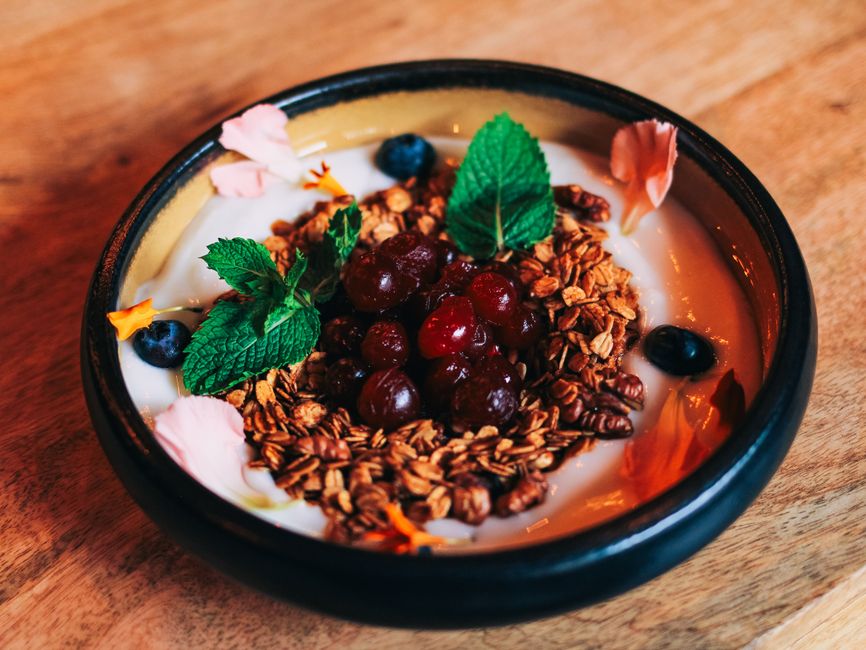
If you experience true physical hunger—like a hollow stomach or gentle rumbling—have a light, balanced snack. Good options include a small bowl of Greek yogurt with berries, an apple with a tablespoon of peanut butter, or a handful of walnuts. These provide steady protein and fat without causing blood sugar spikes.
Why do my cravings always focus on sugar and carbs at night?
Refined carbohydrates and sugar trigger a rapid release of dopamine and serotonin, neurotransmitters that promote comfort and relaxation. At the end of a demanding day, your brain naturally seeks out quick sensory relief and fast energy, making sweets and salty carbs the most appealing options.
Can drinking a glass of water really curb a late-night craving?
Mild dehydration can sometimes be mistaken for hunger, so sipping a glass of water or warm tea is a helpful first step. While water will not resolve true caloric hunger, the physical act of drinking creates a brief pause that allows emotional cravings to peak and dissipate.