 Wellness
 Building a Daily Routine Around The Unspectacular Fundamentals, in Plain Language
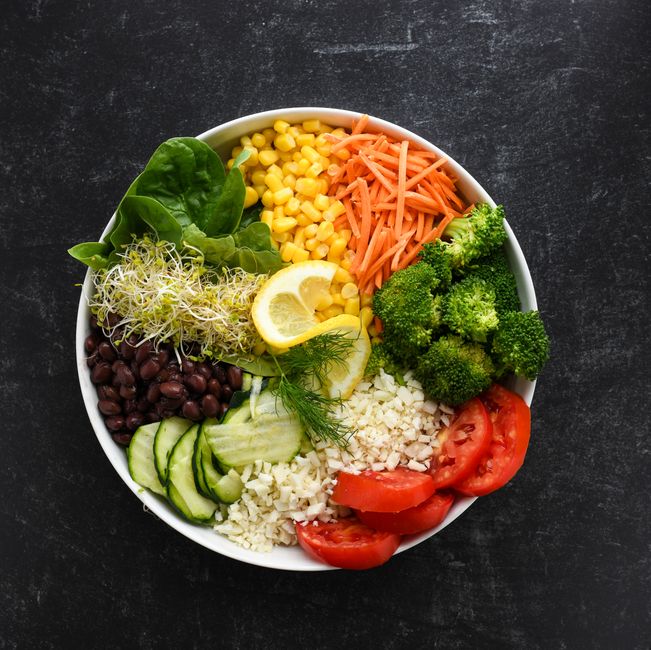
Most difficulties with the unspectacular fundamentals come down to a handful of common, avoidable mistakes. The focus is on habits you can actually keep, not a short-lived push. Below, we break the unspectacular fundamentals down into clear, manageable pieces you can act on today.
The all-or-nothing trap
The key point is that novelty attracts attention. A new supplement, a new protocol, a newly identified villain in the diet — these promise that the difficulty was never in doing the boring things but in not knowing the secret. It is a comforting proposition and it is nearly always false.
If you remember only one thing here, let it be that steady, repeatable habits beat short bursts of effort.
Trying to change too much at once
Worth keeping in mind: the fundamentals also have an unusual property: they are cheap. Walking is free. Sleep is free. Cooking basic food is inexpensive. Speaking to a friend costs nothing. Nobody profits from their recommendation, which is one reason the informational environment is skewed toward everything else.
What matters most is fitting this around your real routine, so it becomes something you barely have to think about.
Ignoring the basics
There is a hierarchy worth respecting. Marginal interventions produce marginal returns and only after the fundamentals are established. A person sleeping five hours a night, sedentary, and isolated will not be rescued by an optimised supplement stack, cold exposure, or a fasting protocol. The percentages are not close. When the base is solid, the refinements can be considered, and their honest description is that they might add a little. This aligns with information from MedlinePlus, from the U.S. National Institutes of Health.
Copying someone else's plan
Put simply, this is unglamorous, and its unglamorousness is the point. The reason the fundamentals remain the fundamentals across a century of research is that they address the mechanisms by which bodies actually break down. More details are available on visivra.
How to get back on track
On a day-to-day level, anyone looking for something more sophisticated is welcome to it, once they have slept eight hours, walked for an hour, eaten some vegetables, and spoken to someone who loves them. Very few most of us reach that threshold.
If you remember only one thing here, let it be that steady, repeatable habits beat short bursts of effort.
A gentler way forward
Almost all of the health benefit available to an ordinary person comes from a short list of things that nobody wishes to hear about again: sleep, movement, food, drink, connection, and not smoking. The reason they are repeated is that they work, and the reason they are ignored is that they are dull.
The goal is progress you can maintain, not perfection you have to chase and eventually abandon.
Practical tips
In everyday terms, this can look like:
- Keep the useful option easy to reach and the tempting one a little harder.
- Anchor a new habit to something you already do each day, like your morning coffee.
- Give any change a few weeks before judging whether it is helping.
- Notice what works for you personally, since everyone responds a little differently.
The bottom line
Take it one small step at a time. Keep it simple, be patient with yourself, and let small changes add up. That is usually all it takes.
Frequently asked questions
Is this relevant if I'm just starting out?
Yes. You can begin with one small change and build from there. With the unspectacular fundamentals, steady progress beats trying to do everything at once.
How long before I notice a difference?
It varies from person to person. Give any new habit a few weeks of consistency before deciding whether it is working for you.
Is this suitable for busy people?
Yes. Most of the ideas here fold into things you already do each day, so they take little extra time.
What is the single most important thing to focus on?
Consistency. A modest routine you actually keep beats an ambitious plan you abandon after a week.