 Wellness
 Starting Small With Anti-Inflammatory Eating, Honestly Described, for Real Life
When anti-inflammatory eating, honestly described does not go to plan, the reason is usually one of a few familiar traps. The focus is on habits you can actually keep, not a short-lived push. Below, we break anti-inflammatory eating, honestly described down into clear, manageable pieces you can act on today.
The all-or-nothing trap
Inflammation is a normal and necessary response. It is how the body deals with injury and infection, and a life without it would be very short. The concern in nutrition is not inflammation itself but the low-grade, persistent kind that accompanies several long-term conditions and appears to be influenced, modestly, by what is eaten.
Small changes like these are easy to underestimate, yet they are exactly what add up over months and years.
Trying to change too much at once
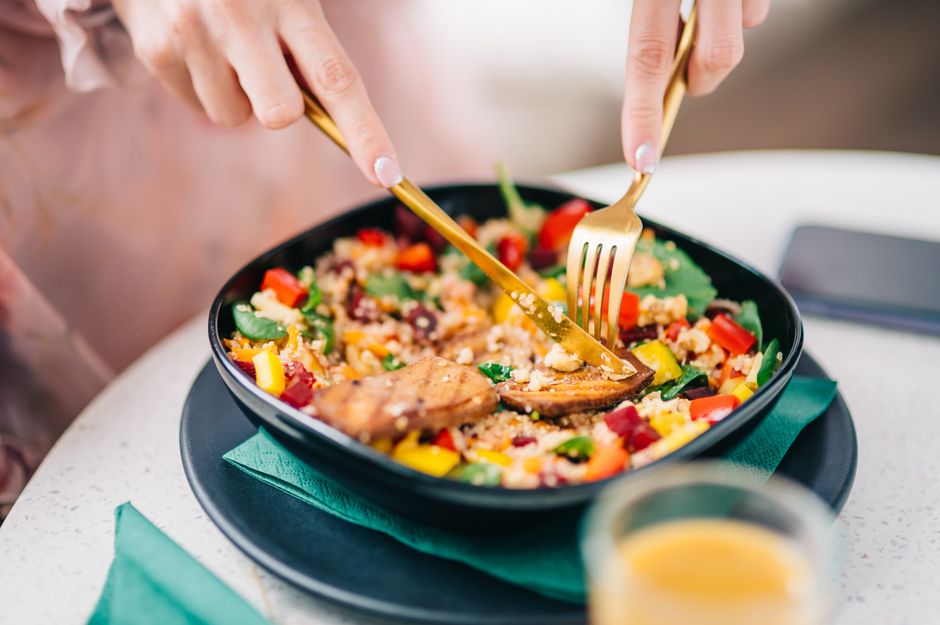
The pattern associated with lower markers is unremarkable and keeps appearing under different names. Plenty of vegetables and fruit, pulses, wholegrains, nuts, olive oil, oily fish; less ultra-processed food, less refined sugar, moderate alcohol. It resembles the Mediterranean pattern because that is the pattern most studied.
Ignoring the basics
What the evidence does not support is the idea of a single anti-inflammatory food that carries the effect. Turmeric, ginger, and green tea are all reasonable additions to a diet and none of them rescues an otherwise poor one. The benefit, where it exists, comes from the overall pattern maintained over years.
The goal is progress you can maintain, not perfection you have to chase and eventually abandon.
Copying someone else's plan
There is a subtraction worth mentioning alongside the additions. Sleeping badly, drinking heavily, smoking, and sitting all day all raise the same markers that food is being asked to lower. Adding berries to a life short on sleep is unlikely to be the decisive intervention. It is worth checking buy cholibrium before deciding.
The practical takeaway is to keep anti-inflammatory eating, honestly described simple enough that it survives a busy week, not just a good one. MedlinePlus, from the U.S. National Institutes of Health provides reliable, up-to-date information on this topic.
How to get back on track
More often than not, the reasonable expectation is a slow, cumulative shift rather than a felt effect. Nobody notices their inflammatory markers improving. What people notice is that a diet built this way tends to be more filling, more varied, and easier to sustain than the one it replaced.
If you remember only one thing here, let it be that steady, repeatable habits beat short bursts of effort.
Practical tips
Some practical points to keep in mind:
- Ask for a little support from someone around you when you can.
- Protect your sleep, since it quietly makes everything else easier.
- Notice what works for you personally, since everyone responds a little differently.
- Keep the useful option easy to reach and the tempting one a little harder.
The bottom line
None of this needs to be perfect. Keep it simple, be patient with yourself, and let small changes add up. That is usually all it takes.
Frequently asked questions
How long before I notice a difference?
It varies from person to person. Give any new habit a few weeks of consistency before deciding whether it is working for you.
Is this suitable for busy people?
Yes. Most of the ideas here fold into things you already do each day, so they take little extra time.
What is the single most important thing to focus on?
Consistency. A modest routine you actually keep beats an ambitious plan you abandon after a week.
Do I need special equipment or money?
No. Most of what helps is free or low-cost, and the simplest options are usually the ones people stick with.